
How is Prostate Cancer Diagnosed?
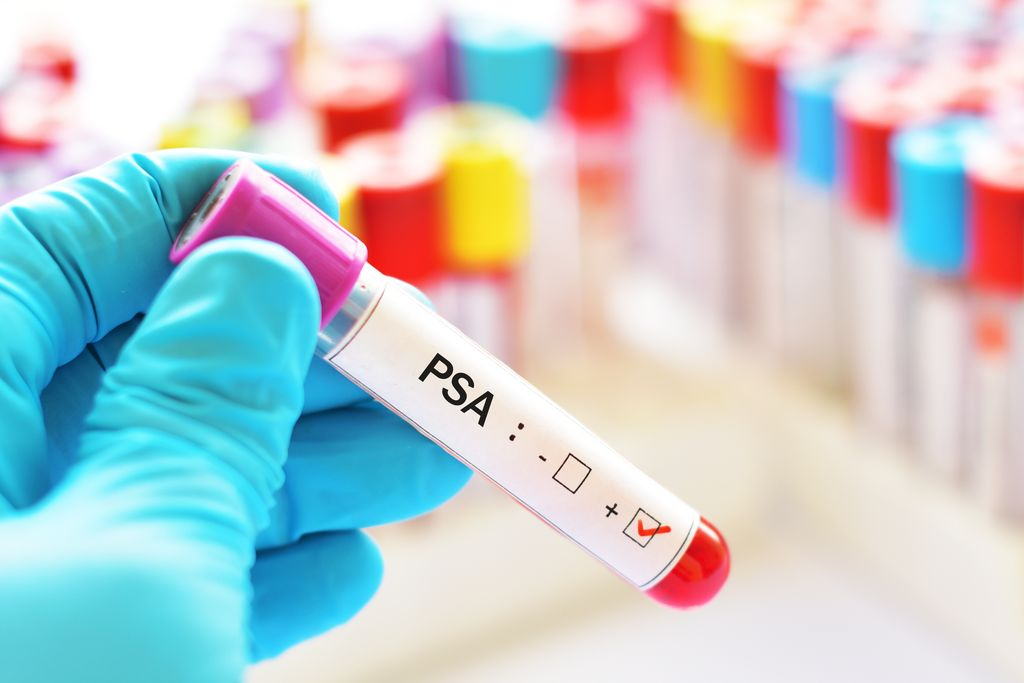
PSA (Prostate Specific Antigen) is a protein produced by the prostate and found mostly in the semen, with very small amounts released into the bloodstream. A screening PSA blood test is used to assess whether or not you should have further testing—usually, starting with an MRI.
Although a high PSA (generally, confirmed to be above 3-4 ng/mL, or 2.5 ng/mL for men in their forties), abnormal digital rectal exam (DRE), or suspicious areas on MRI may increase a doctor’s suspicion of prostate cancer, a biopsy is necessary to confirm a diagnosis.
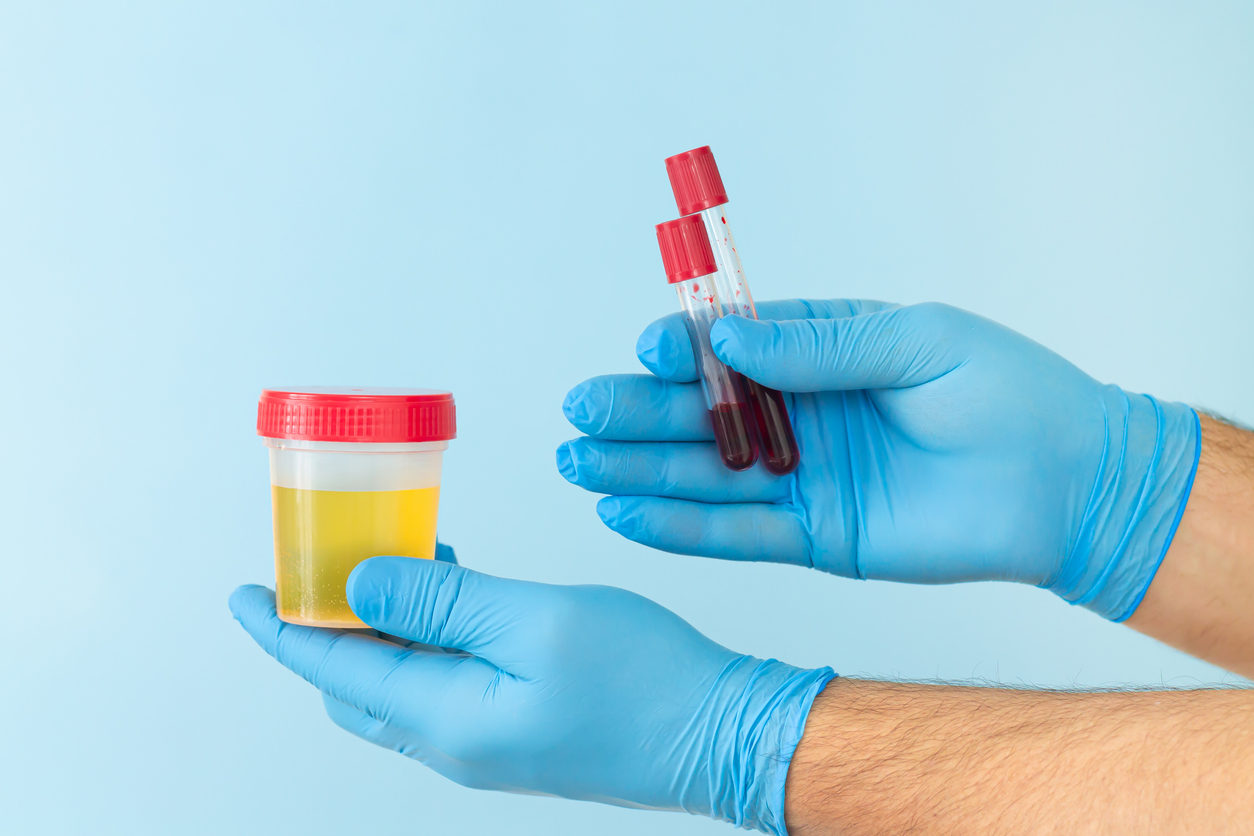
Blood and urine tests are also available that may provide additional information, helping you and your doctor determine whether a benign condition may be at play, or whether a biopsy is warranted. These include Prostate Health Index, 4K Score®, MyProstateScore™ (MPS), MPS 2.0, ExoDx Prostate Test, Select MDx®, Stockholm3, and IsoPSA. These tests may be useful in certain cases; routine use in every patient is not currently recommended by clinical guidelines. Some of these tests may be combined with MRI.
Related Articles/Videos